
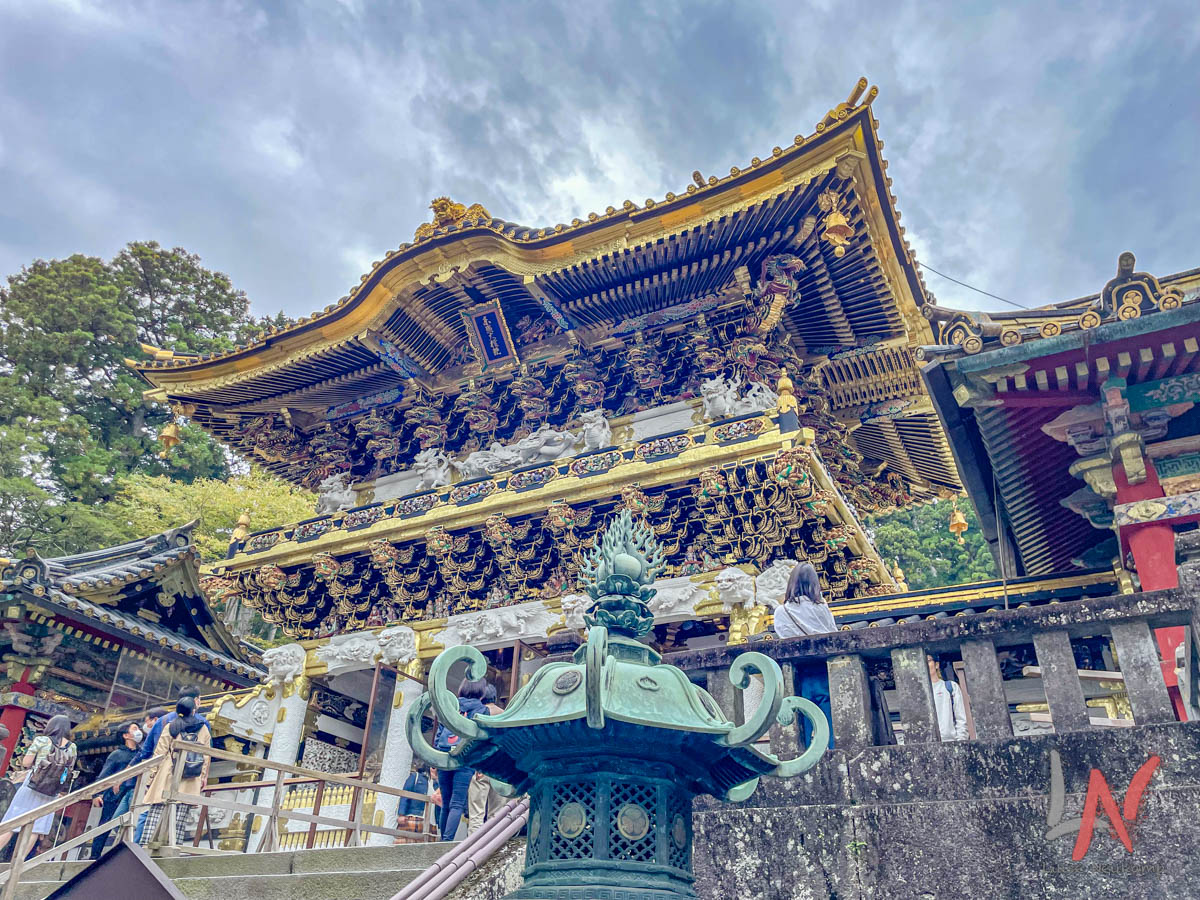
Momiji in Japan is one of the most beautiful times along with cherry blossom.
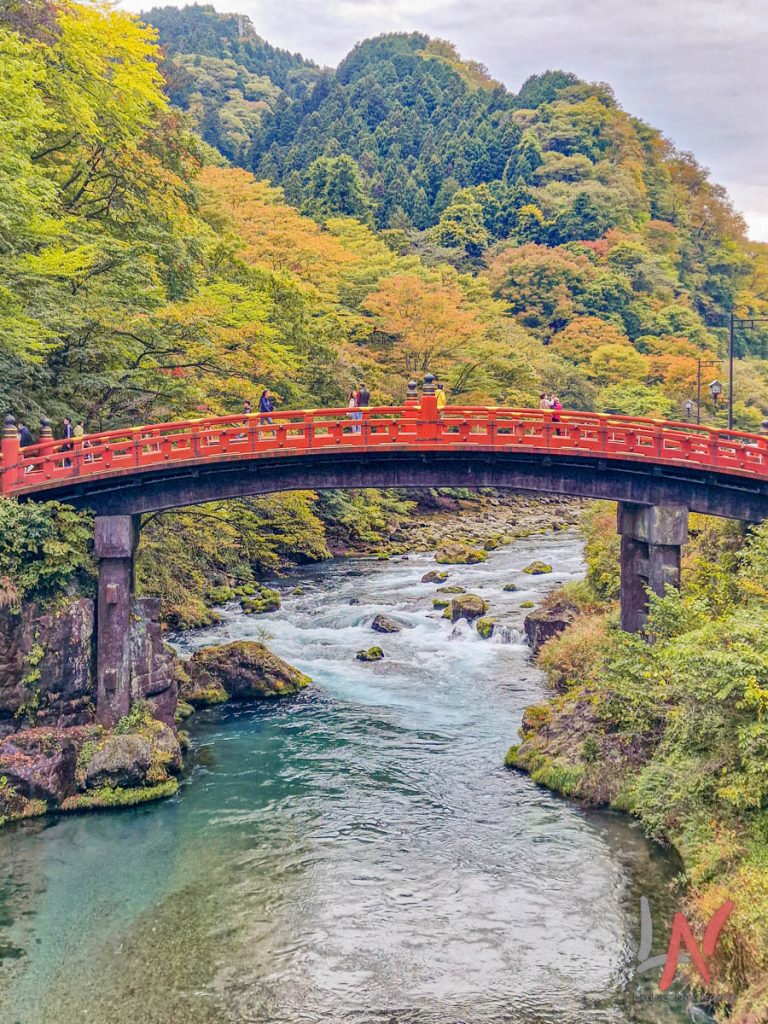
紅葉 (もみじ Momiji) refers to the autumnal leaves that can be seen in Japan from late October to early December (depending on location). So coming to Japan in autumn is an absolute recommendation.
Nikko is one of the first places, near Tsukuba, where you can see Momiji. This is due to the fact that Nikko is located at an altitude of about 600 meters, and there you can find mountains up to 2400 meters high. Therefore, the leaves are changing color here earlier than in the Tokyo area.
From Tsukuba, however, Nikko is further away and you are 2–3 hours by train. But that’s also because I had to go via Tokyo, which is the opposite direction. So, I went to Asakusa first. But not alone, I went with a small group who are all exchange students.
Transfer in Asakusa
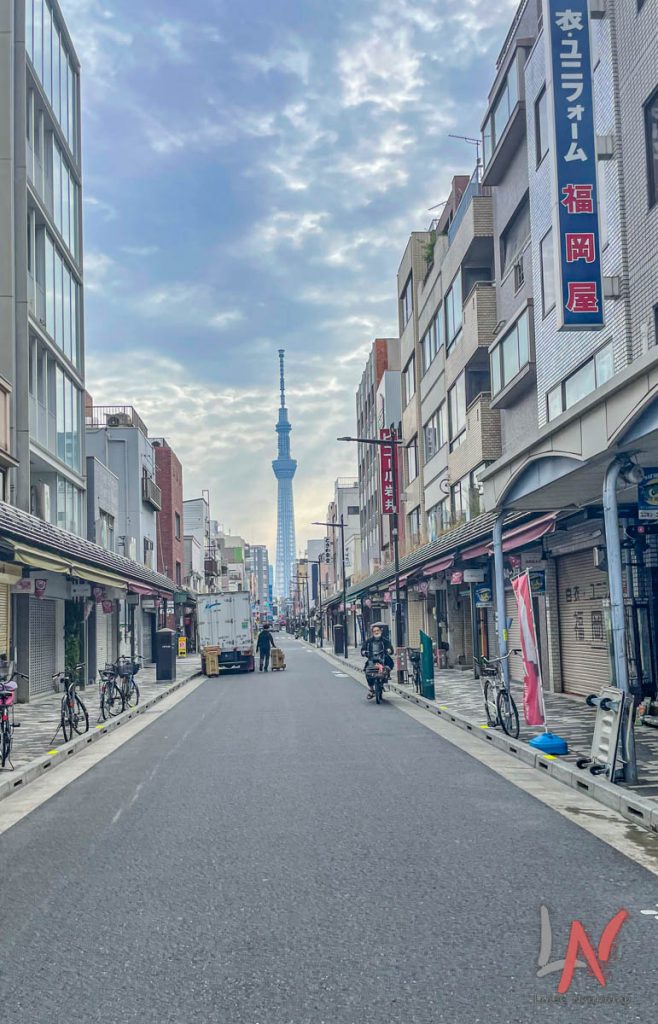
It’s always nice to come back here ;). Since I’ve changed trains here before and spent my first Tokyo trip here, the area is starting to look familiar to me ^^.
This time we had to change from the Tsukuba Express to the Tobu Line in order to travel to Nikko. To take it, we bought the Nikko pass at the station for 4780 yen (about 32,50 euros). However, this is valid for four days, which is why you should consider well whether you want to make only a day trip and whether the pass is then worth it.
More about whether the pass was really worth it at the end.
We also got a ticket for the Limited Express (another 1470 yen or 10 euros). At the counter it was recommended to us, because it was Saturday and accordingly full. The Limited Express had reserved seats and drove only around two hours, instead of three hours with the local train. But, whether the extra money is worth it, everyone must decide for themselves.
However, due to the change and the travel times of the Limited Express, we arrived in Nikko around 1 p.m. and that was a bit late, since the sun sets at 5 p.m. at that time.
Consequently, the sightseeing went fast ;). Nevertheless, we have been able to see a lot. Unfortunately, I can not give insider tips, because we have visited the tourist spots in this short time, but they are all worth it!
Shinkyo-Bridge
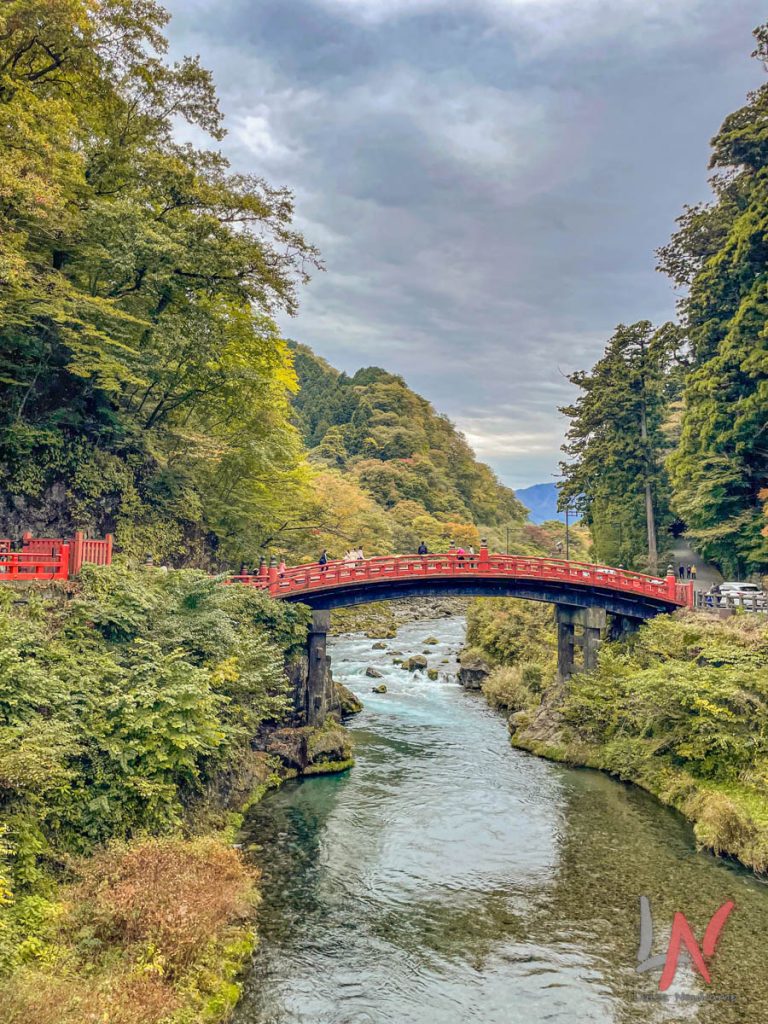
First we went to the Shinkyo Bridge, which is actually more impressive in pictures than in reality. On pictures, it always looks as if it were directly located in nature. In reality, it is right next to the main road and you are only allowed to go on the bridge if you pay. It looks beautiful anyway, but you shouldn’t expect too much from this spot in order not to be disappointed.
We were there on the 22. October and that was even a little too early for Momiji. So here best to wait for November. But when we drove up to the waterfall, about 1400 meters, there was already some colored leaves.
Toshogu-Shrine
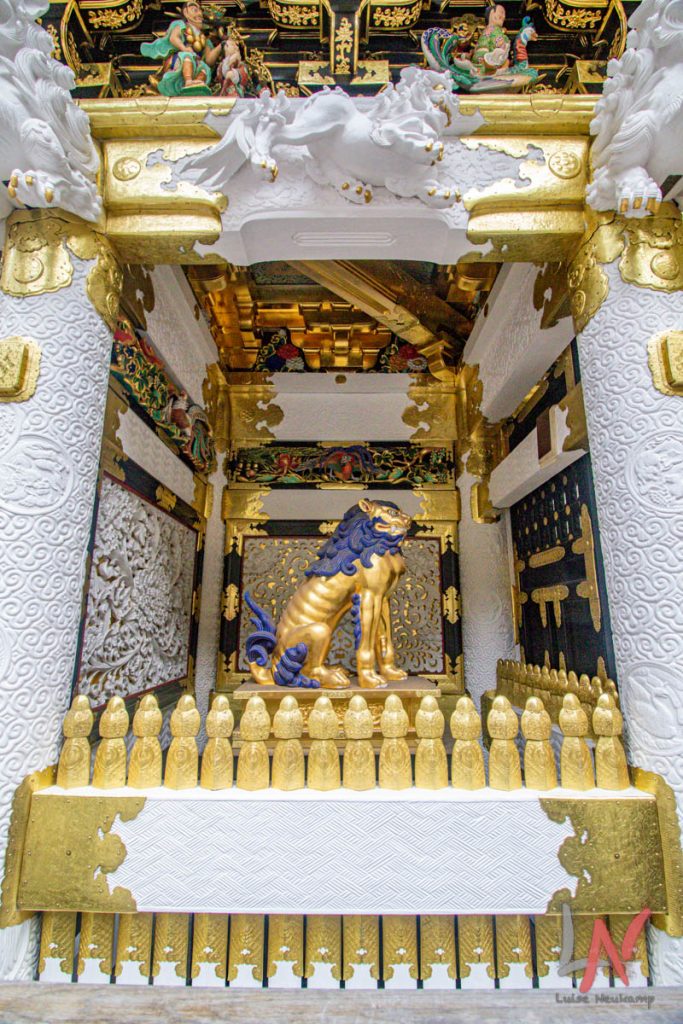
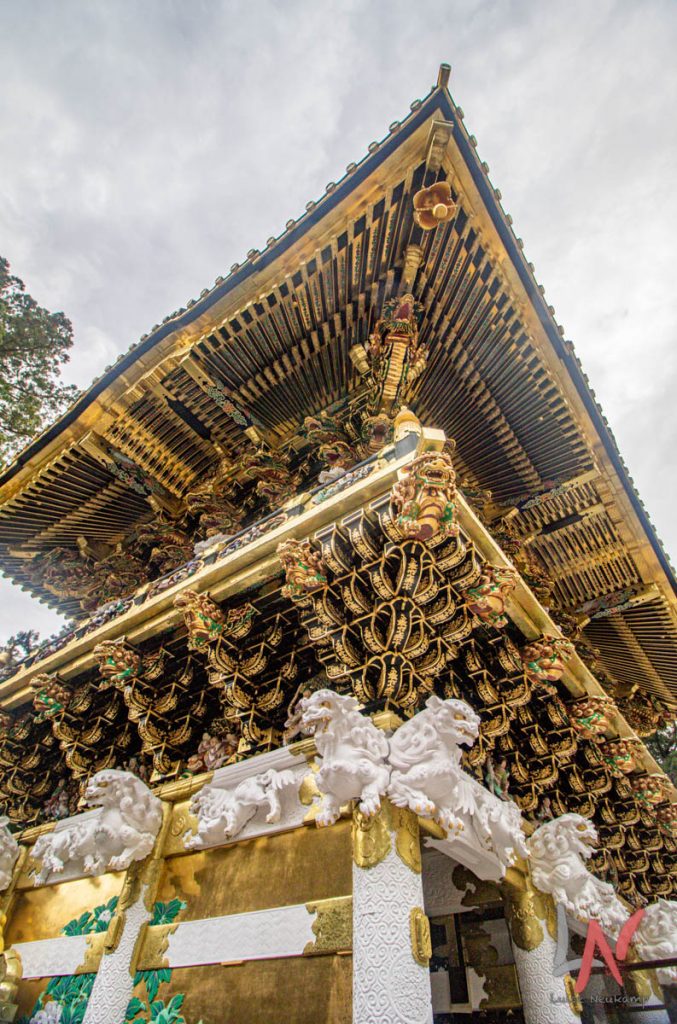
Afterwards we went to the nearby Toshogu Shrine. This was built in 1617 in honor of Tokugawa Ieyasu. (For those interested, there is a cool, but also quite brutal Netflix series about this story: Age of Samurai: Battle for Japan ;)).
For the shrine we had to pay another entrance fee of 1300 yen (about 9 euros). But this entrance fee is worth it in any case. The shrine is very impressive and especially for me as a history student very interesting ;).
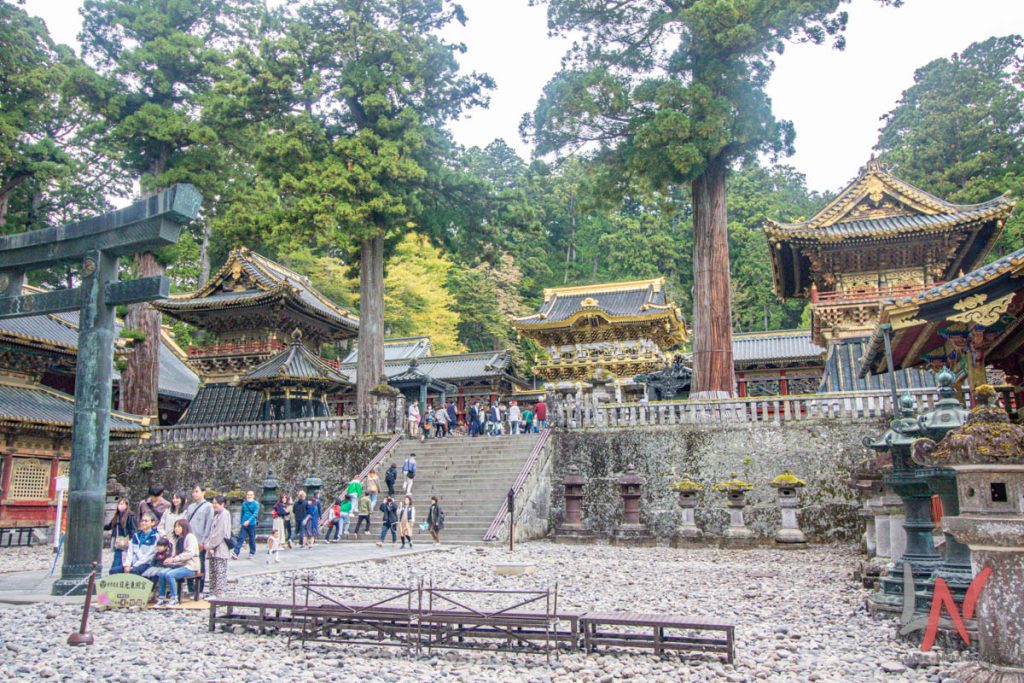
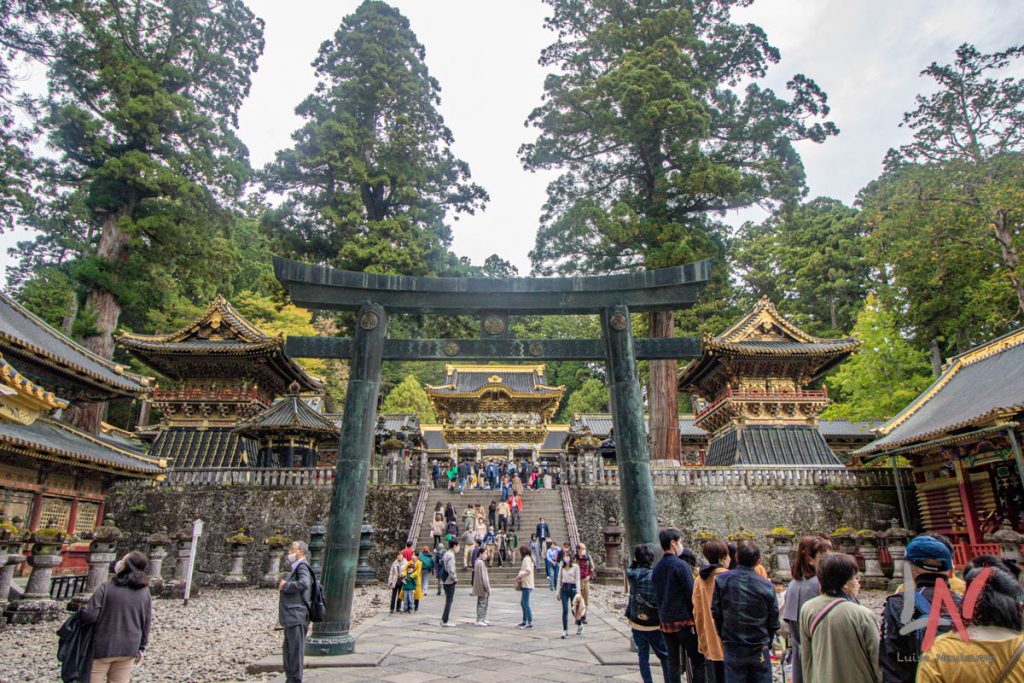
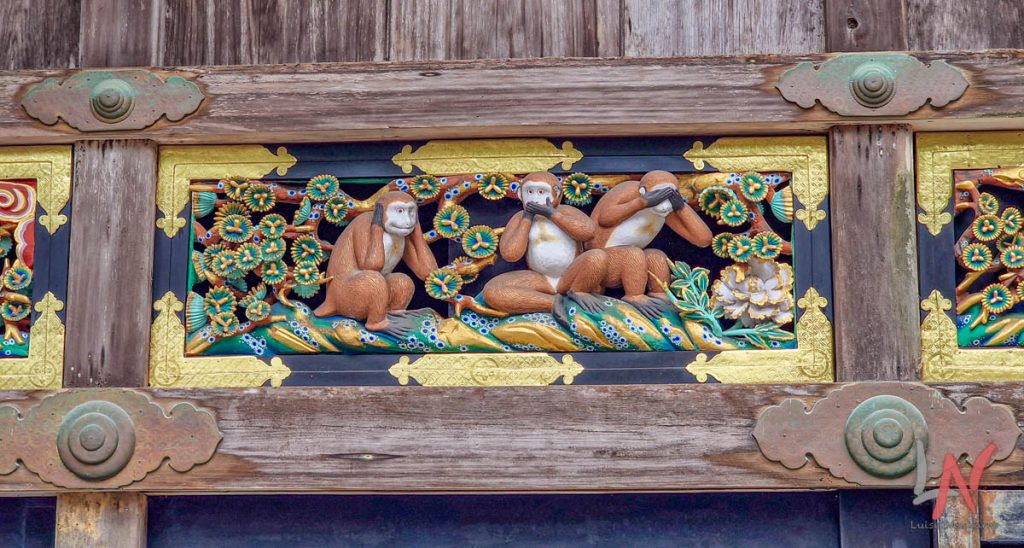
Included in the price was the walk to Tokugawa’s grave, the entrance to the main hall and the prayer hall, where you can hear the call of the dragon. For this, you have to go there yourself ;). Another highlight are the carvings of the three monkeys: not hear, not see and not speak.
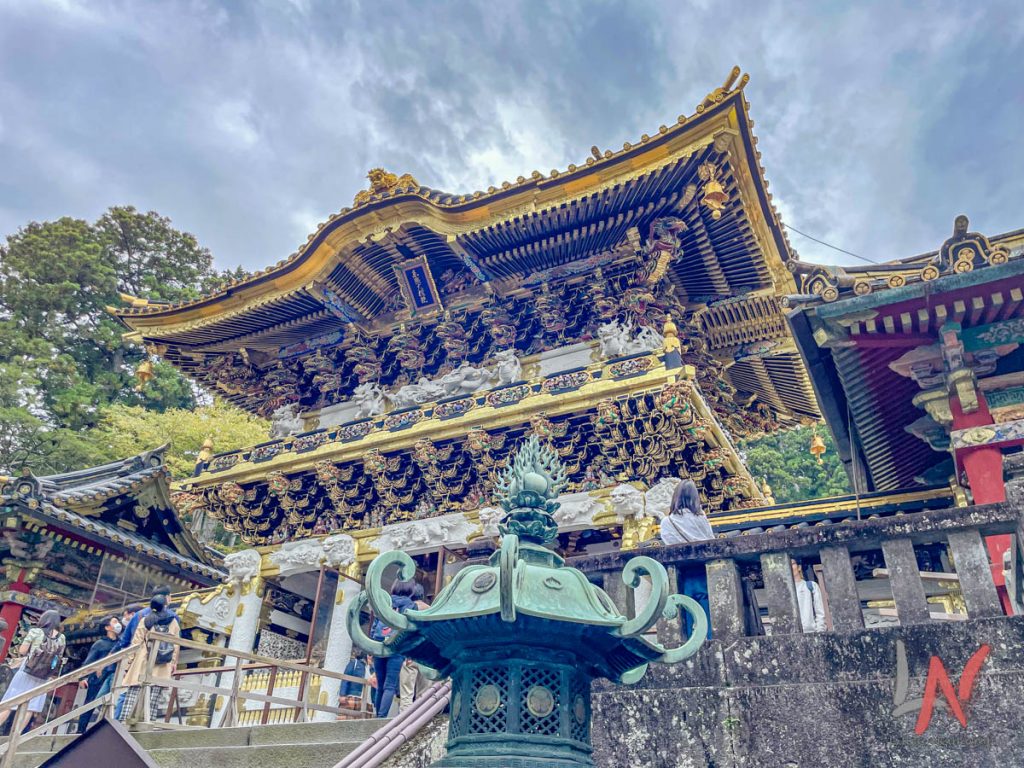
In total, there are a lot of details to discover! The main gate Yomei-mon has over 500 details! So a visit there is very impressive and a must ;). But on Saturday it was also very crowded, so you might consider visiting during the week if possible.
Kegon Waterfall
After the shrine, we took the bus, the price of which is included in the Nikko Pass, to Kegon Waterfall. We got off one stop before. From there you can take a short cable car for about 1000 yen (about 7 euros) (with the Nikko Pass you get 10% discount) up to a peak. From there you can see the waterfall and the lake Chuzenji above.
I found even this view more impressive than the waterfall itself, where we went later. At the waterfall you can no longer see the lake.
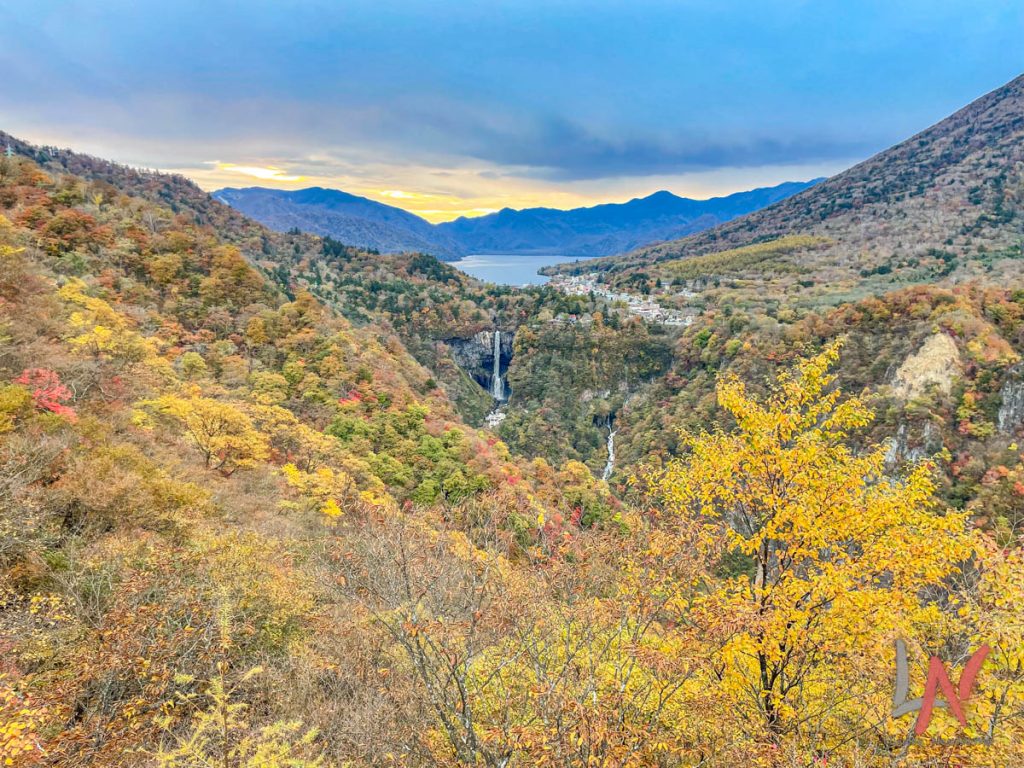
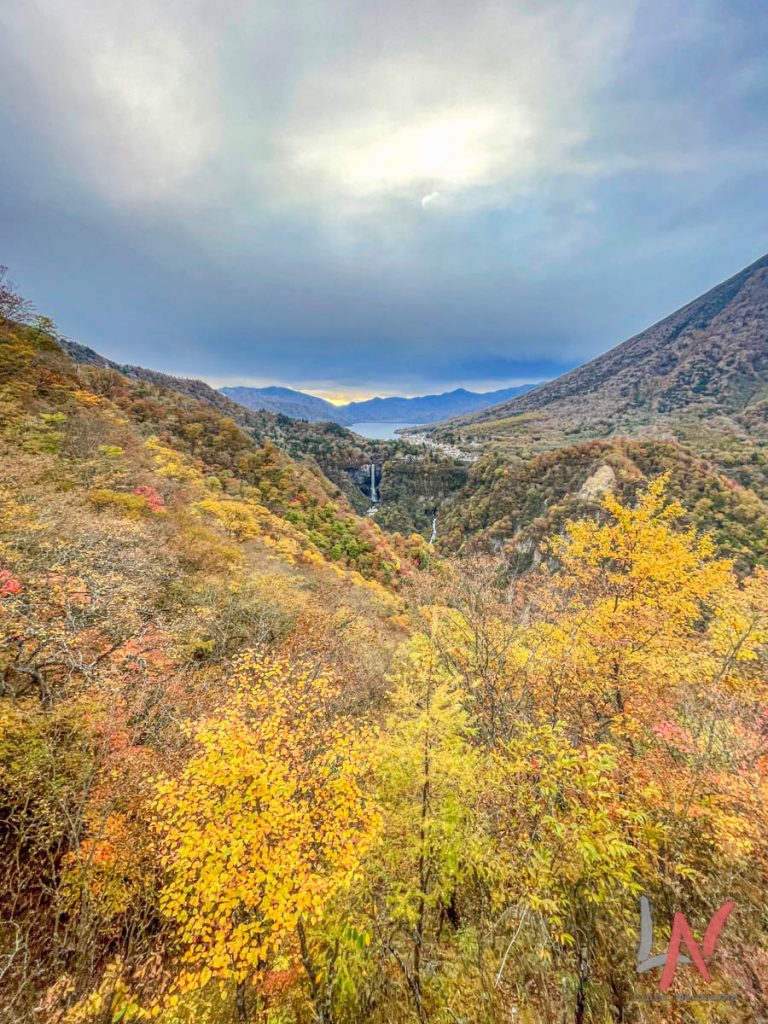
When we finally arrived at the Kegon waterfall, it was unfortunately already dark :(. Therefore, there are no good pictures of it taken by me. During daytime, the waterfall would have been beautiful for sure. On some days of the year it is illuminated at night. Perhaps you can consider the times of this illumination when planning your trip.
It was now 6 pm and unfortunately we already had to go back to Tsukuba to get the last train to Tsukuba in Tokyo. From the waterfall we went by bus for an hour to Nikko because of traffic jam. From there by local train, which is completely included in the Nikko Pass. The local train went to Tokyo with one change after one and a half hours. And finally from Tokyo to Tsukuba for just under an hour. At about 1 o’clock I was then back.
Nikko Pass
The question is whether Nikko is worth a day trip or an overnight stay. In Nikko there is in any case more to see, for example Edo Wonderland Nikko Edomura. This is a park in which the houses and life of the Edo period were recreated. Definitely worth seeing and is also still on my list. An overnight stay is therefore recommended.
However, for one day, the Nikko Pass was already worth it. Included is a ride from Tokyo to Nikko and back. On location, you can ride the bus for free and there are at least discounts on many attractions. However, not on the entrance to the Toshogu!
Alternatively, it is also worth to go by car to Nikko, but for this you must first translate your driver’s license and then dare to drive in left-hand traffic.
If you spend several days in Nikko, the Nikko Pass is definitely worth it! And Nikko is also worth it for several days!
Thank you for reading this post and see you in the next :).